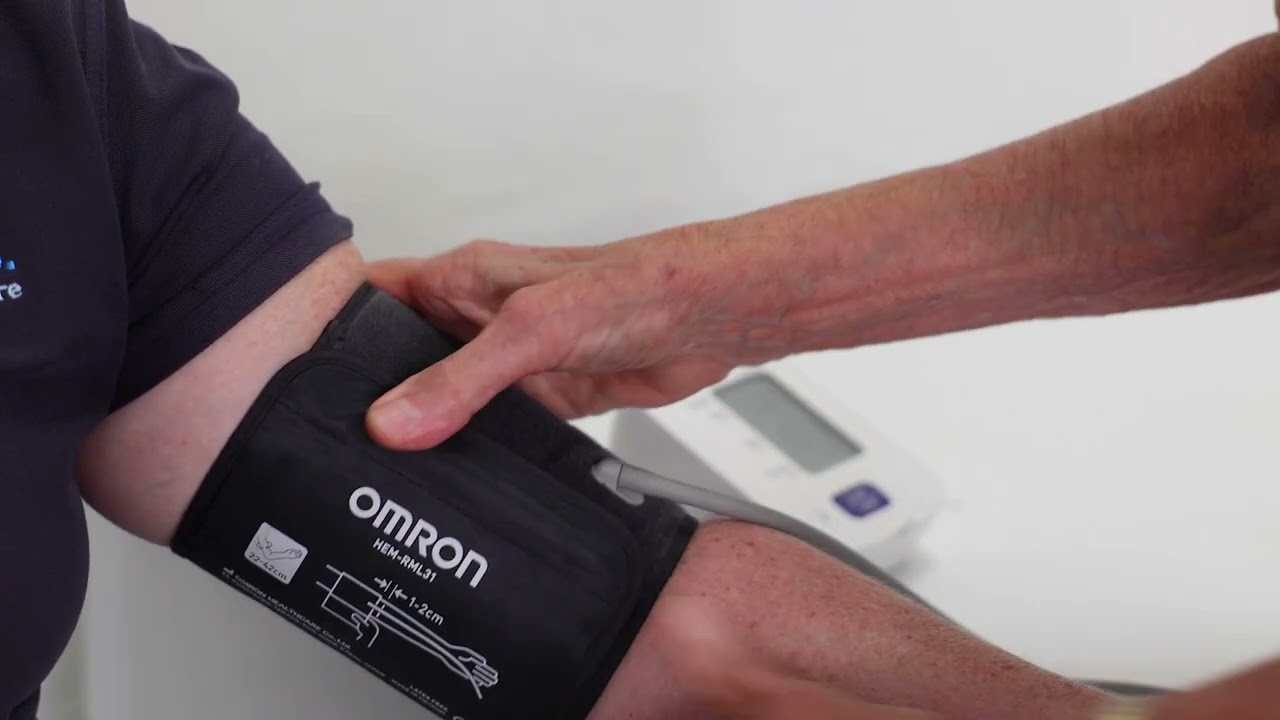
How the right care worker can improve someone's week
The right care worker can help make the week feel calmer, more structured and more manageable.

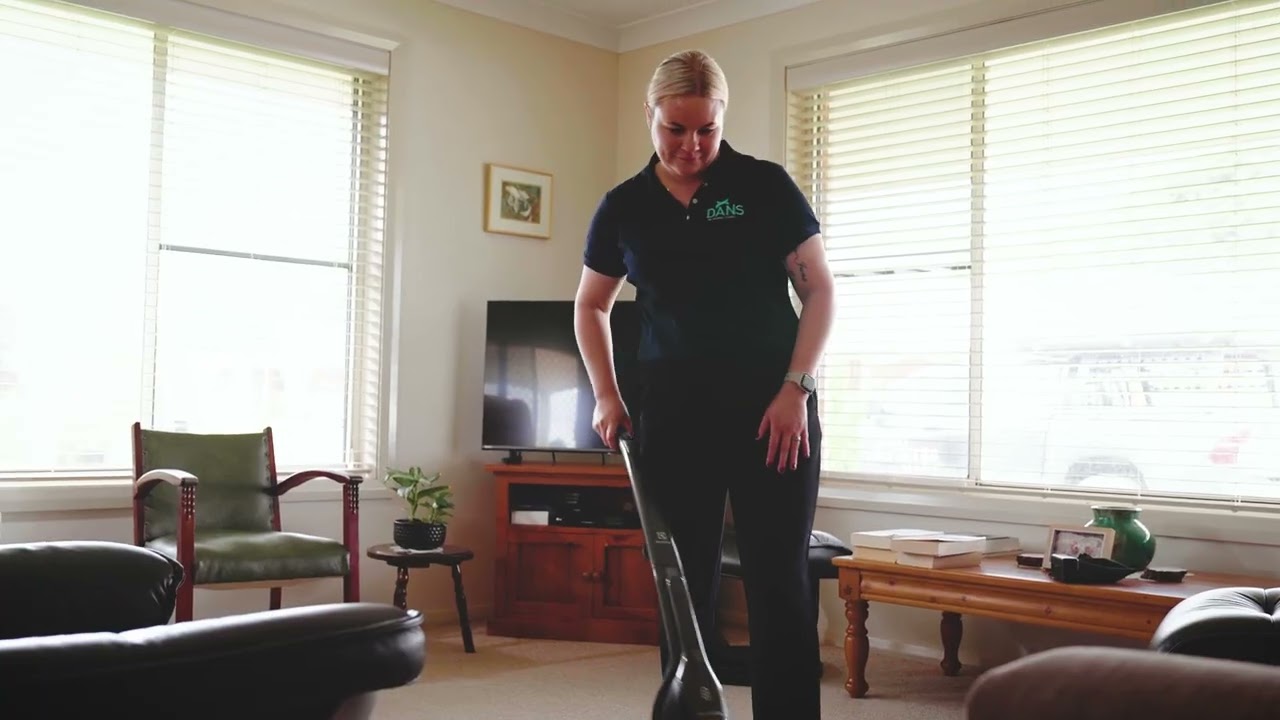
The right NDIS care worker can make an ordinary week run better: steadier routines, more confidence, and help to do the things that matter independently. At DANS, support workers are matched to your goals and your personality, and delivered by a consistent local team across the Central West and Western NSW.
After more than 25 years of supporting people living with disabilities, we at DANS have seen how much of a difference the right care worker can make. For someone living with a physical or intellectual disability, the right support can bring structure, confidence and independence into everyday life.
It can also make the week feel more settled, more predictable and more enjoyable, for both the person receiving support and the people who care about them.
Structure that helps the week run smoothly
A regular support plan breaks the week into manageable tasks, so the fundamentals get done and there's a clear view of what each day holds. That takes the pressure off last-minute rushes.
Disability support structures help to:
- Make the day run more smoothly
- Stop small tasks from stacking up
- Take stress out of the client's home life
- Build motivation to keep up helpful routines
The goal of in-home care and good structure is to help clients feel calm, organised and aware of what is coming next.
Daily routines that help to build independence
Creating independence at home starts with routines. A routine for personal care, domestic duties or social outings helps clients stay on top of what matters and get the help they need to live life to the fullest. Over time, a good routine builds confidence and creates a predictable, manageable outlook on life.
Daily routines for those with disabilities help to:
- Practise daily skills with structure
- Build a sense of independence
- Grow confidence through repetition
- Know what's happening next
As human beings, routine is the backbone of who we are. We thrive on having a plan, something to do, something to look forward to.
Support plans that build confidence
A good support plan builds confidence by working closely with the client. It isn't always about doing everything; it is about helping the client do things.
Building confidence helps clients:
- Find ways to do things for themselves
- Feel a sense of achievement when things go well
- Gain a bigger sense of purpose and an active role in their life
- Take part in the community and build friendships
Unless we're specifically asked to, we don't just step in and take over. Instead, we work alongside people with disabilities so they feel capable, respected and keep building self-confidence.
Familiar faces and predictable care
For those living with a disability, familiar faces and seeing the same care worker at regular times can make a big difference to how a client feels. We aim to build trust, create friendships and nurture an environment that helps reduce social anxiety and gives our clients something to look forward to.
Our approach to familiar faces and predictable disability care:
- Assigning care workers that have the relevant experience
- Looking for care workers that match the client's personality
- Focusing on calm and confident delivery of care
- Always seeing the bright side of life with a positive outlook and smile
It is also beneficial to have familiar and predictable care to minimise repeated instructions, re-explaining routines and having to rebuild rapport from scratch.
How we can help someone needing disability care
A better week often starts with the right kind of support. If you are trying to create routine, confidence or calm at home, the team at DANS can develop a care plan tailored to your needs, or those of your loved one. Contact us or start a care assessment to learn more.